Washington state's cruise ship sexual assault laws, combining federal MTSA and state provisions, offer robust protections. The Jones Act empowers victims to seek compensation from cruise lines under complex legal terrain. Specialized cruise line sexual assault attorneys Washington navigate maritime law, ensuring survivor rights, evidence collection, and potential civil lawsuits against cruise lines. A multi-faceted approach includes advocacy for prevention protocols, training, and accountability, with support systems for survivors' recovery.
Cruises offer a much-needed escape, but for victims of sexual assault on board, the experience can be traumatic and confusing. With limited legal protections specific to cruise ship sexual assaults, understanding your rights is crucial. In Washington state, navigating these complex issues requires the expertise of a dedicated cruise line sexual assault attorney who understands both maritime law and the unique challenges faced by victims in this intimate setting. This article provides an in-depth exploration of the current legal landscape, empowering passengers with knowledge to protect themselves and seek justice if needed.
Cruise Ship Sexual Assault Laws in Washington: Overview
In Washington state, cruise ship sexual assault laws are governed by a unique set of regulations that combine federal maritime law with state-specific provisions. Cruise lines operating within Washington waters are subject to both federal and state legal frameworks, which offer victims of sexual assault on board robust protections. The federal Maritime Transportation Security Act (MTSA) establishes a framework for preventing, detecting, and responding to criminal activities, including sexual assaults, on cruise ships. This legislation requires cruise lines to implement security measures, conduct background checks on crew members, and establish reporting protocols for incidents involving sexual misconduct.
Washington state laws further enhance these protections with initiatives tailored to address the specific challenges of addressing sexual assault on cruise ships. The state’s Sexual Assault Law, for instance, clarifies that consent cannot be given under duress or when the victim is incapable of giving it, a crucial aspect in maritime cases where power dynamics within the confined environment of a ship can be complex. Additionally, Washington has enacted laws that facilitate the collection and preservation of evidence in sexual assault cases, ensuring that victims have access to legal recourse even during extended voyages.
Victims of cruise ship sexual assaults in Washington state benefit from the expertise of specialized attorneys who understand both maritime law and the unique dynamics of these cases. A cruise line sexual assault attorney Washington can guide survivors through the legal process, ensuring they receive the justice and compensation they deserve. These professionals leverage their knowledge of federal and state regulations to navigate the complexities of maritime law, file claims against negligent cruise lines, and advocate for victims’ rights both on land and at sea.
Understanding Jurisdiction and Legal Framework

In Washington state, understanding jurisdiction and the legal framework surrounding cruise ship sexual assault is a complex yet crucial matter. Cruise ships operating in Washington waters are subject to both federal and state laws, creating a multifaceted legal landscape. The primary authority lies with the Maritime Law, specifically the Jones Act, which grants victims of maritime sexual assault the right to seek compensation from the cruise line. This legislation extends jurisdiction to any port where the ship detains or embarks passengers, providing potential avenues for legal action.
The challenge arises when considering the varying degrees of protection and prosecution offered by different jurisdictions. While Washington state laws provide a framework for addressing sexual offenses, including those on cruises, the actual prosecution and handling of cases can differ significantly from one cruise line to another. A cruise line sexual assault attorney in Washington plays a pivotal role here, guiding victims through these complexities. They ensure that rights are upheld, and justice is pursued, often navigating international waters and diverse legal systems.
For instance, a study by the National Center for Justice Implementation revealed that only 10% of reported sexual assaults on cruises result in criminal charges being filed. This disparity highlights the need for victims to be well-informed about their rights and the potential challenges they may face. Engaging with a specialized attorney is an essential step towards ensuring that legal frameworks are utilized effectively, fostering accountability among cruise lines and promoting justice for victims of sexual assault at sea.
Rights of Victims: What to Do After an Incident

After experiencing a sexual assault on a cruise ship, victims face unique challenges due to the vessel’s restricted environment and immediate departure from port. In such circumstances, understanding your rights and taking prompt action is crucial for justice and healing. Washington state laws provide a framework for addressing sexual violence at sea, offering survivors legal protections and options. A key step is to immediately report the incident to the ship’s crew or security personnel. The cruise line is responsible for ensuring a safe environment and has a duty of care to assist victims.
Victims should seek medical attention promptly, as evidence collection is essential for potential legal proceedings. It is advisable to meet with a cruise line sexual assault attorney Washington to understand the legal options available under Washington’s laws, which may include civil lawsuits against the cruise line or even criminal charges, depending on the severity and circumstances of the assault. These legal professionals can guide survivors through the process, ensuring their rights are protected.
Furthermore, victims can reach out to local law enforcement authorities upon returning to shore, as many cruise lines coordinate with nearby jurisdictions to facilitate investigations. Data suggests that early reporting and legal action can lead to successful outcomes, offering closure and potentially preventing similar incidents from occurring again. Victims’ advocacy groups also provide support and resources for those who have experienced such traumatic events at sea.
Role of a Cruise Line Sexual Assault Attorney Washington
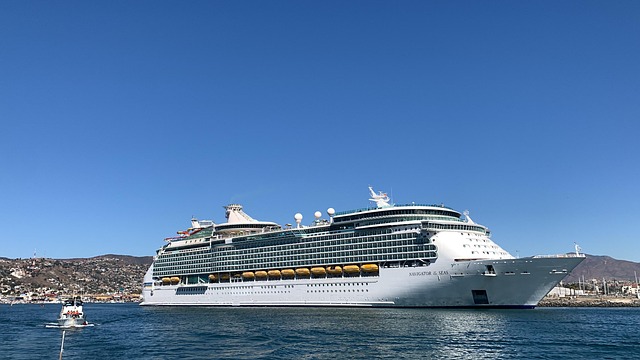
In cases of sexual assault occurring on cruise ships plying Washington’s waters, the role of a Cruise Line Sexual Assault Attorney Washington becomes pivotal. These legal professionals are equipped to navigate the complex interplay between maritime law, state legislation, and international conventions that govern such incidents. Given the unique jurisdiction challenges posed by ships traveling in international waters, victims often require specialized legal counsel who understand both local laws and the intricacies of cruise line operations.
A Cruise Line Sexual Assault Attorney Washington plays a multifaceted role. They not only provide legal representation but also offer crucial support to victims, ensuring their rights are protected throughout the legal process. These attorneys delve into evidence collection, interviewing witnesses, and securing critical documentation that can be used in court. They also help victims understand their legal options, including potential civil lawsuits against the cruise line for negligence or failure to protect passengers. For instance, according to recent data, sexual assault cases on cruise ships have seen a rising trend, emphasizing the need for robust legal defenses and proactive victim advocacy.
Moreover, these attorneys advocate for systemic changes to enhance cruise ship safety and accountability. They work with regulatory bodies and industry stakeholders to push for improved security measures and policies that better protect passengers. By combining legal expertise with a commitment to justice, a Cruise Line Sexual Assault Attorney Washington ensures that victims receive not only compensation but also the closure and peace of mind they deserve after such traumatic experiences. This specialized practice area underscores the critical need for legal professionals who can stand up for the rights of cruise ship passengers in what can be a complex and challenging legal arena.
Prevention, Accountability, and Support Systems

The prevention of sexual assault on cruise ships is a multifaceted issue demanding a robust legal framework and supportive infrastructure. In Washington state, significant strides have been made to ensure accountability and provide resources for survivors. Cruise line sexual assault attorneys in Washington play a pivotal role in upholding these measures, offering expertise tailored to the unique challenges of maritime law. These professionals advocate for stringent prevention protocols, emphasizing education, training, and clear policies within cruise lines to foster a culture of safety and respect.
When it comes to accountability, laws in Washington state are designed to hold perpetrators responsible through strict judicial processes. The state’s legal system prioritizes the rights of survivors, ensuring they receive prompt justice. Cruise line sexual assault attorneys guide victims through these complex procedures, assisting with evidence collection, legal documentation, and representation in court. By leveraging their knowledge of maritime jurisdiction and local legislation, these attorneys ensure that cruise lines adhere to stringent standards and face consequential penalties for any failure to protect passengers.
Support systems are integral to the recovery process for survivors. Washington offers specialized services catering to the unique needs of those affected by sexual assault on cruise ships. This includes counseling, legal aid, and access to medical care. Cruise line sexual assault attorneys collaborate with these support networks, ensuring victims have the resources needed to navigate both legal and personal challenges. They also advocate for policy changes that improve reporting mechanisms and enhance passenger safety, contributing to a holistic approach that addresses prevention, accountability, and recovery.